

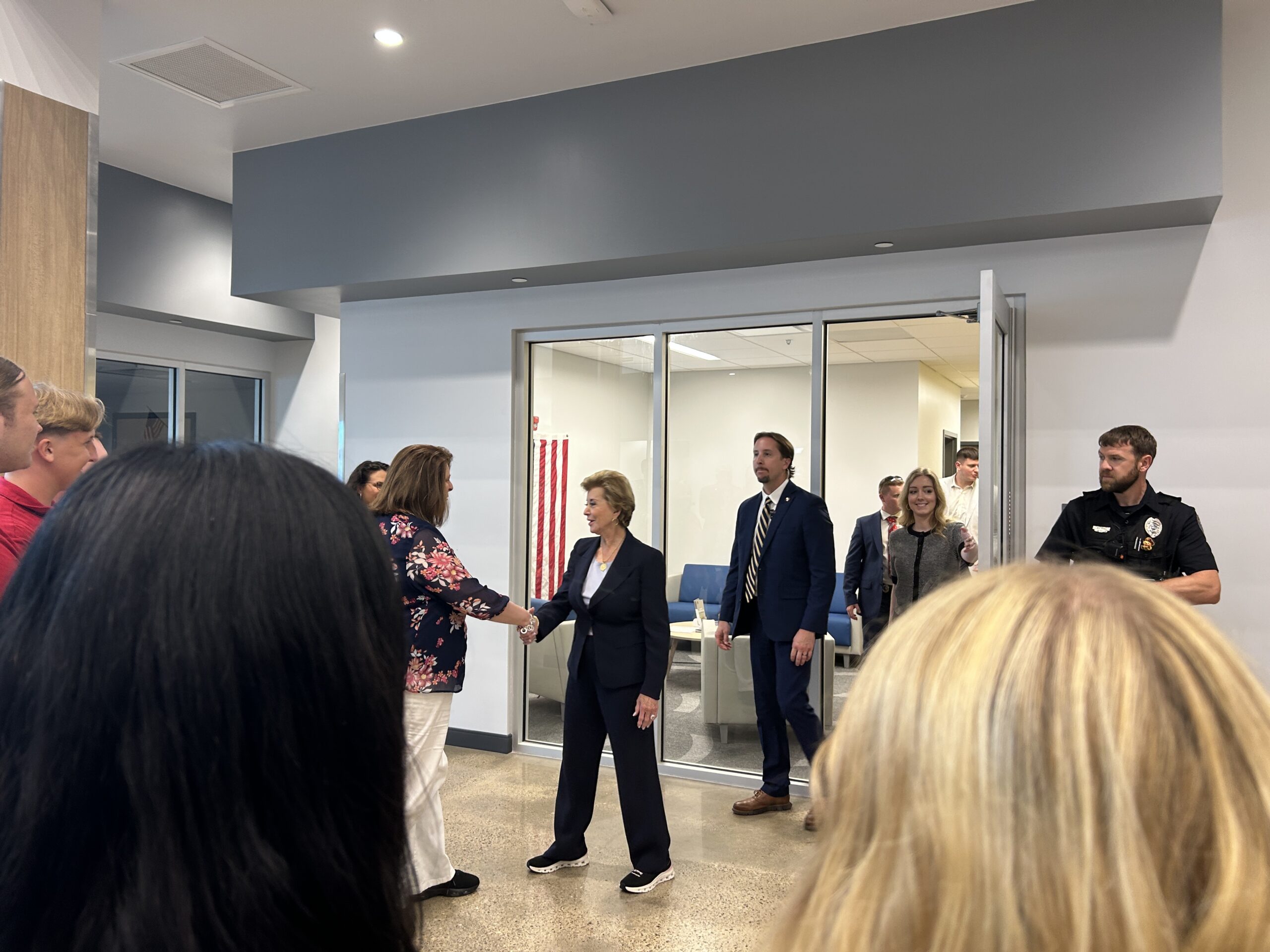
BARBOURSVILLE, W.Va. — The country’s top education official paid a visit to the Mountain State on Thursday.
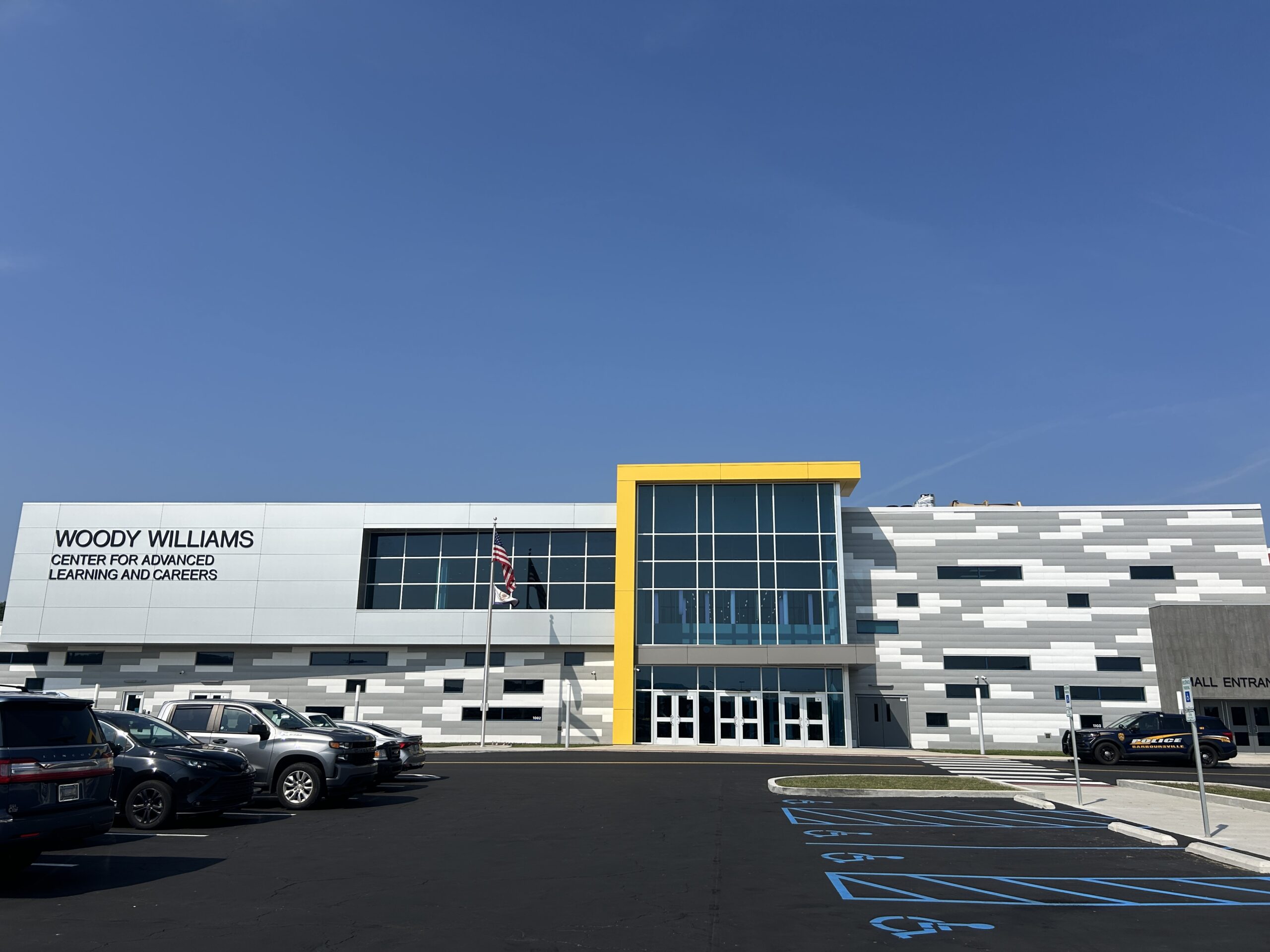
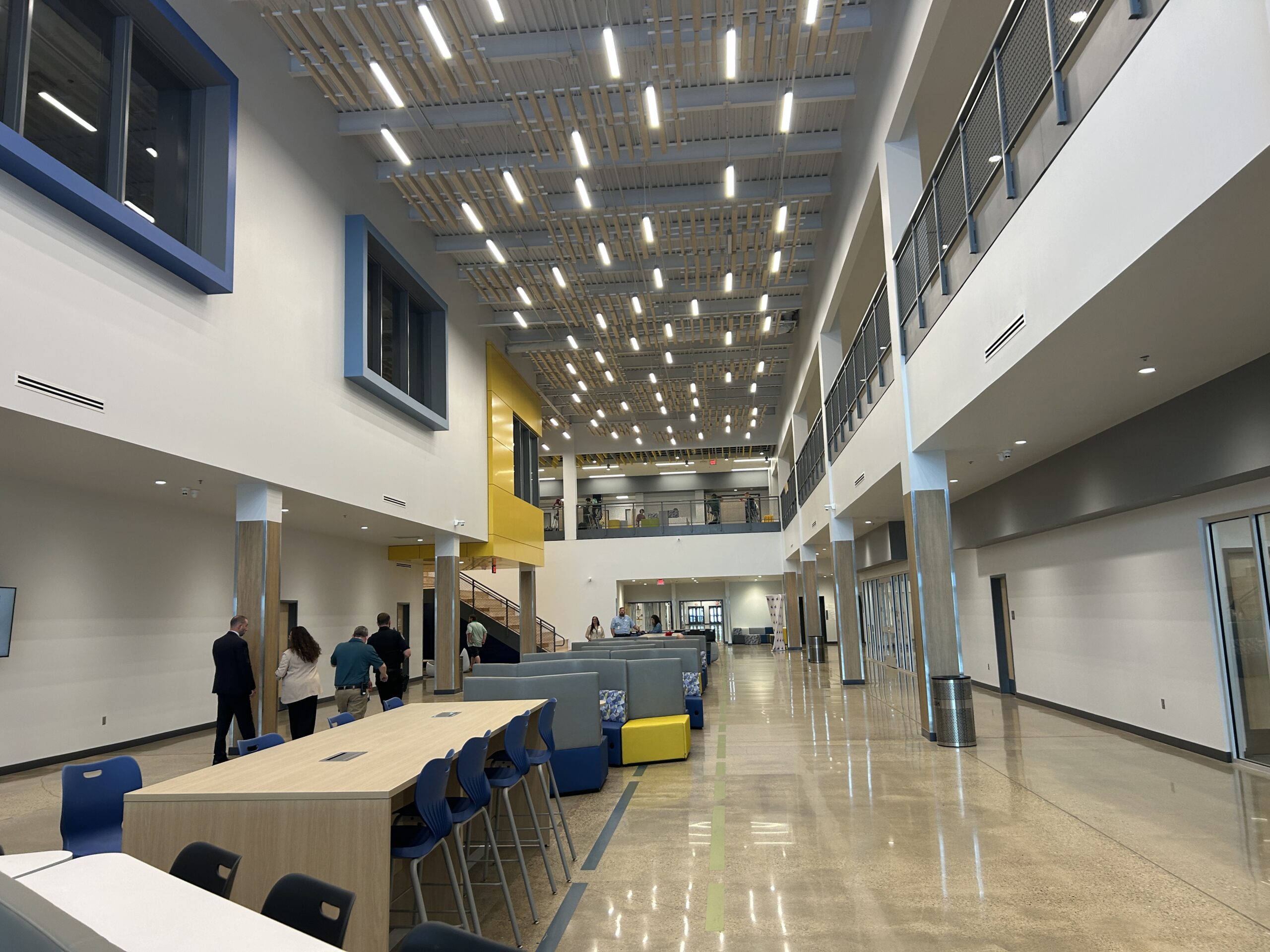
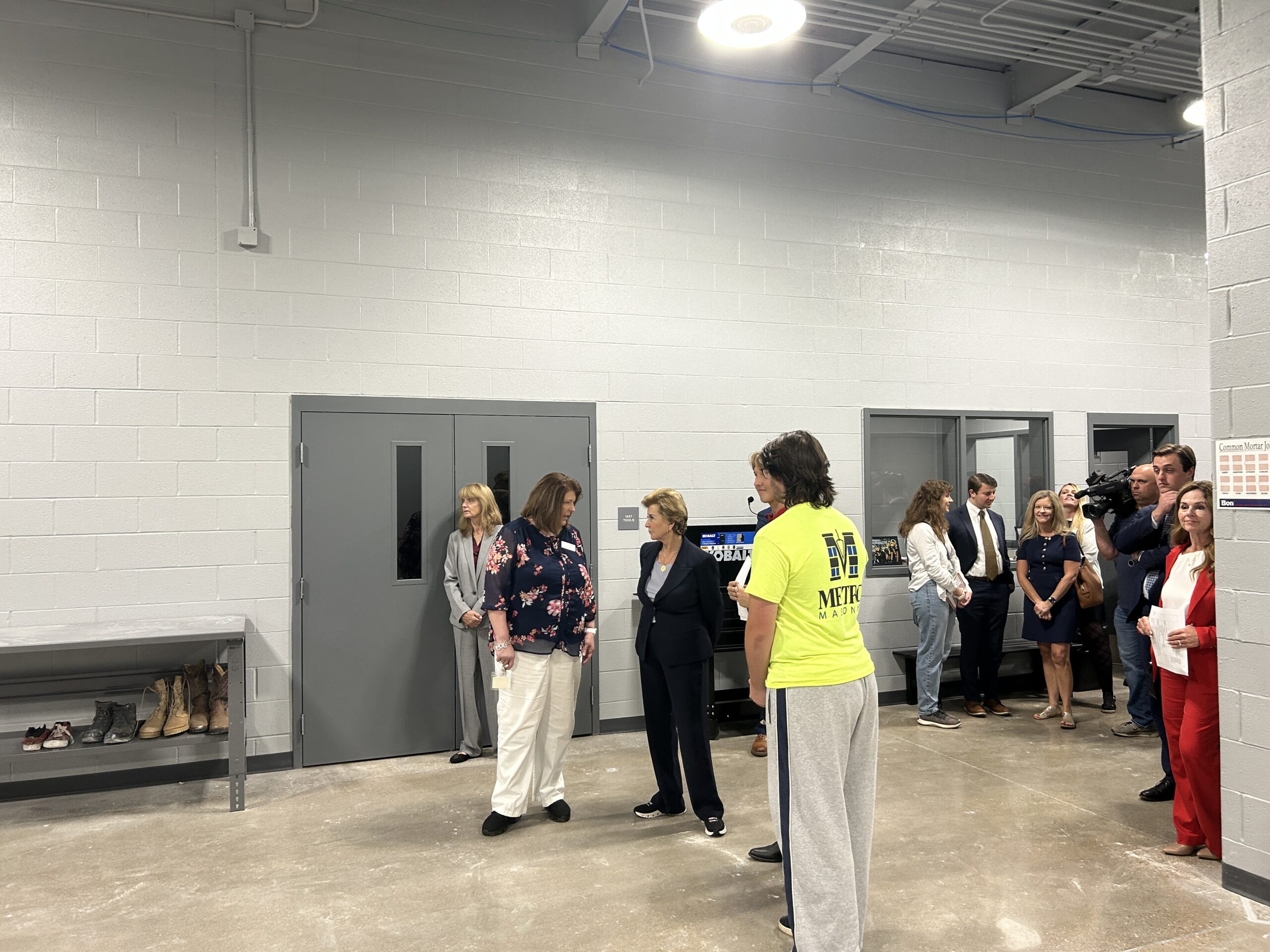
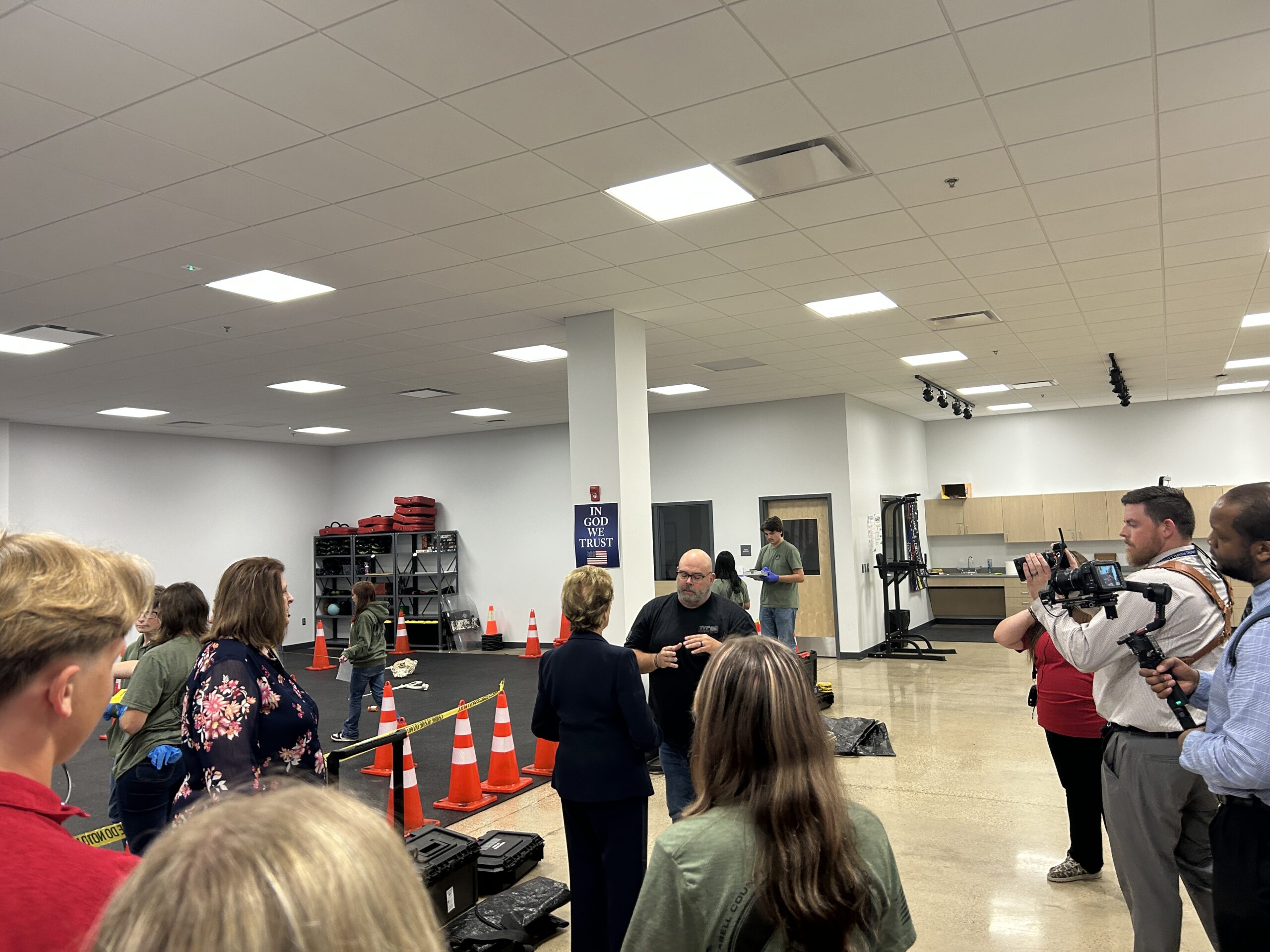
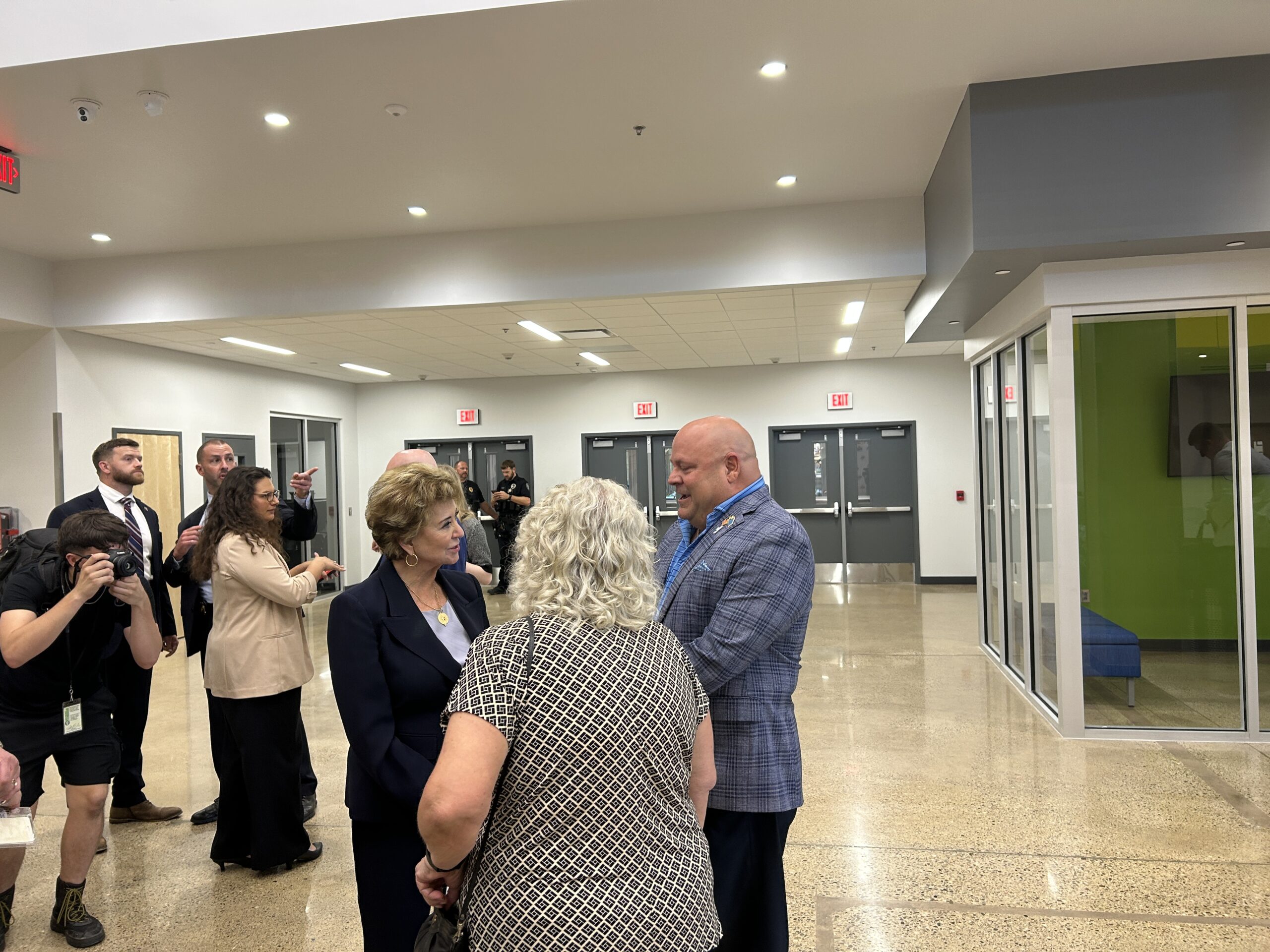
U.S. Department of Education Secretary Linda McMahon toured the Woody Williams Center for Advanced Learning and Careers in Cabell County. The state-of-the-art facility, named after World War II veteran and West Virginia native Woody Williams, is located in the Huntington Mall in Barboursville. The building used to hold a Sears, and now is the home to a Career and Technical Education (CTE) center. McMahon also toured the Village of Barboursville Elementary (VOBE) school.
McMahon, the wife of Vince McMahon, co-founded the modern wrestling promotion company WWE in the mid-1980s. She was tabbed by President Donald Trump as the country’s education leader in 2025.
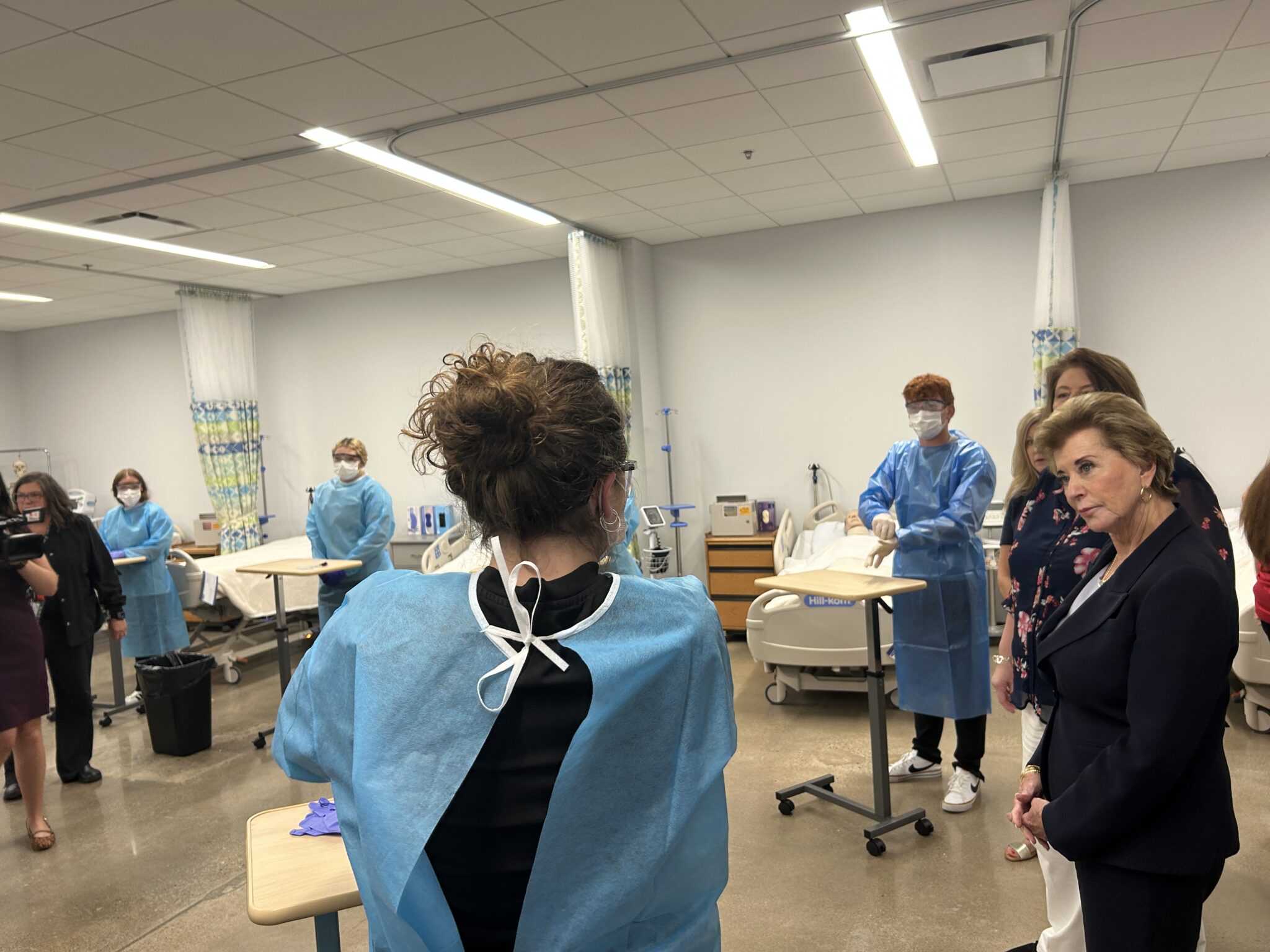
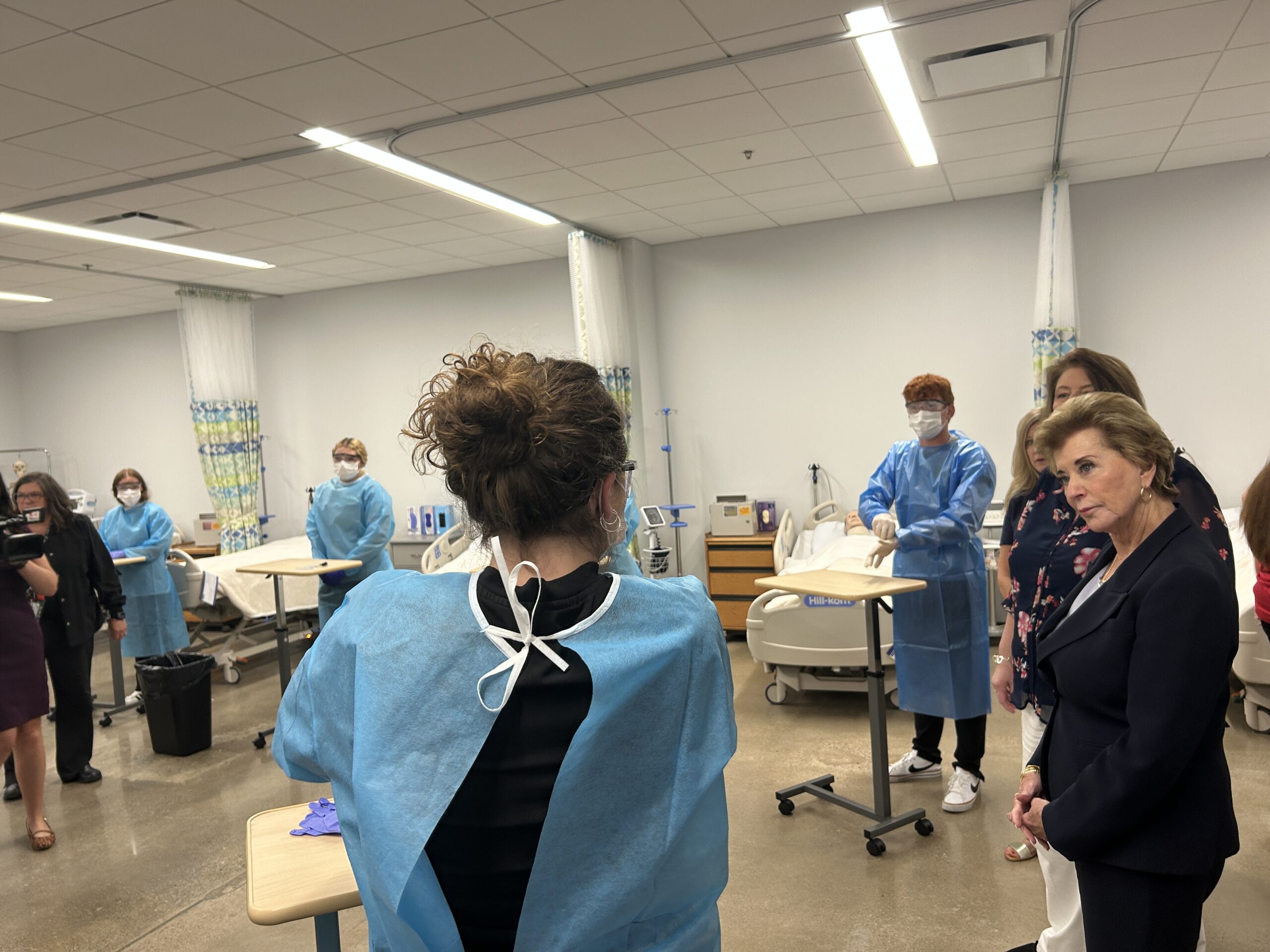
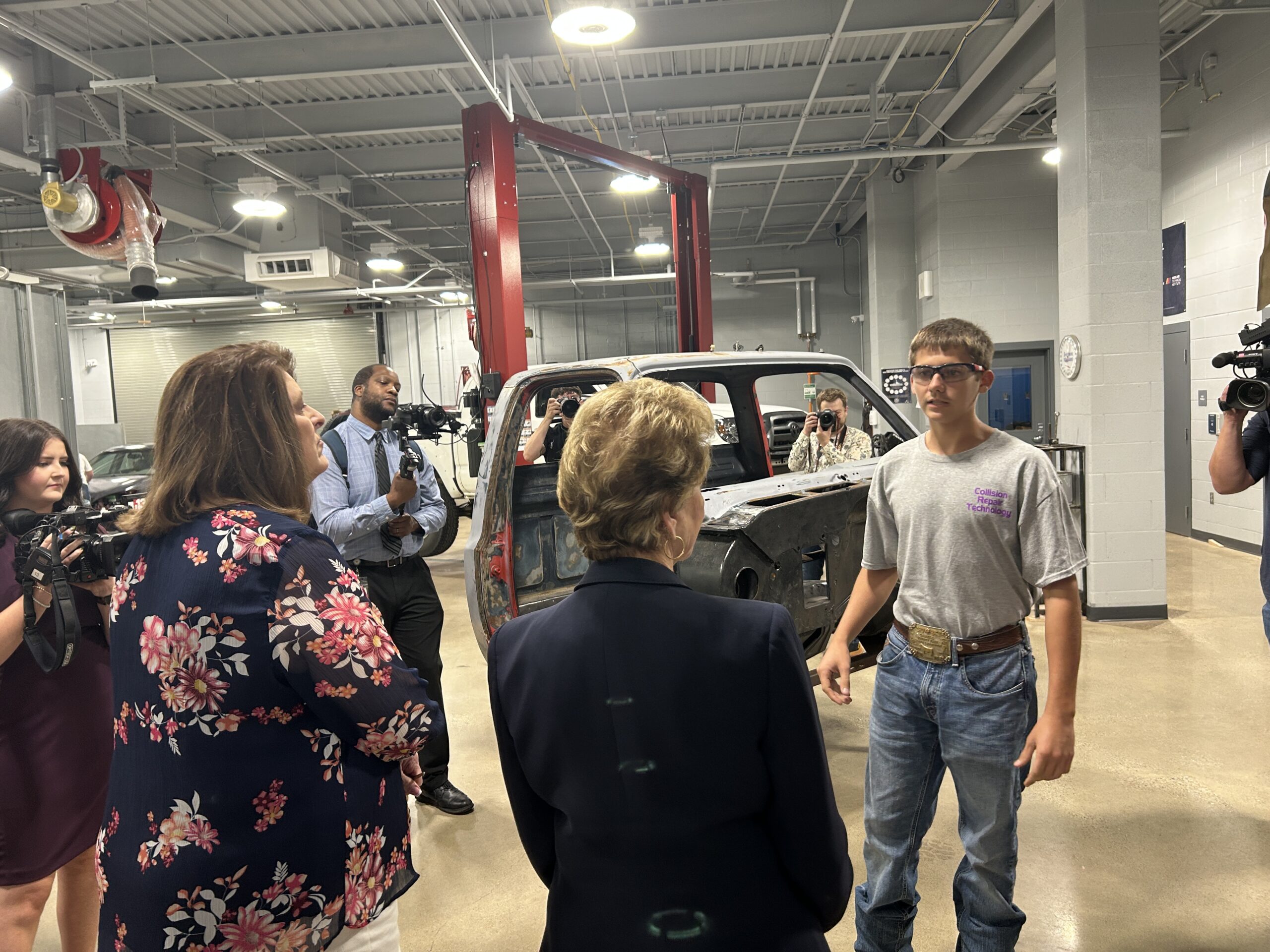
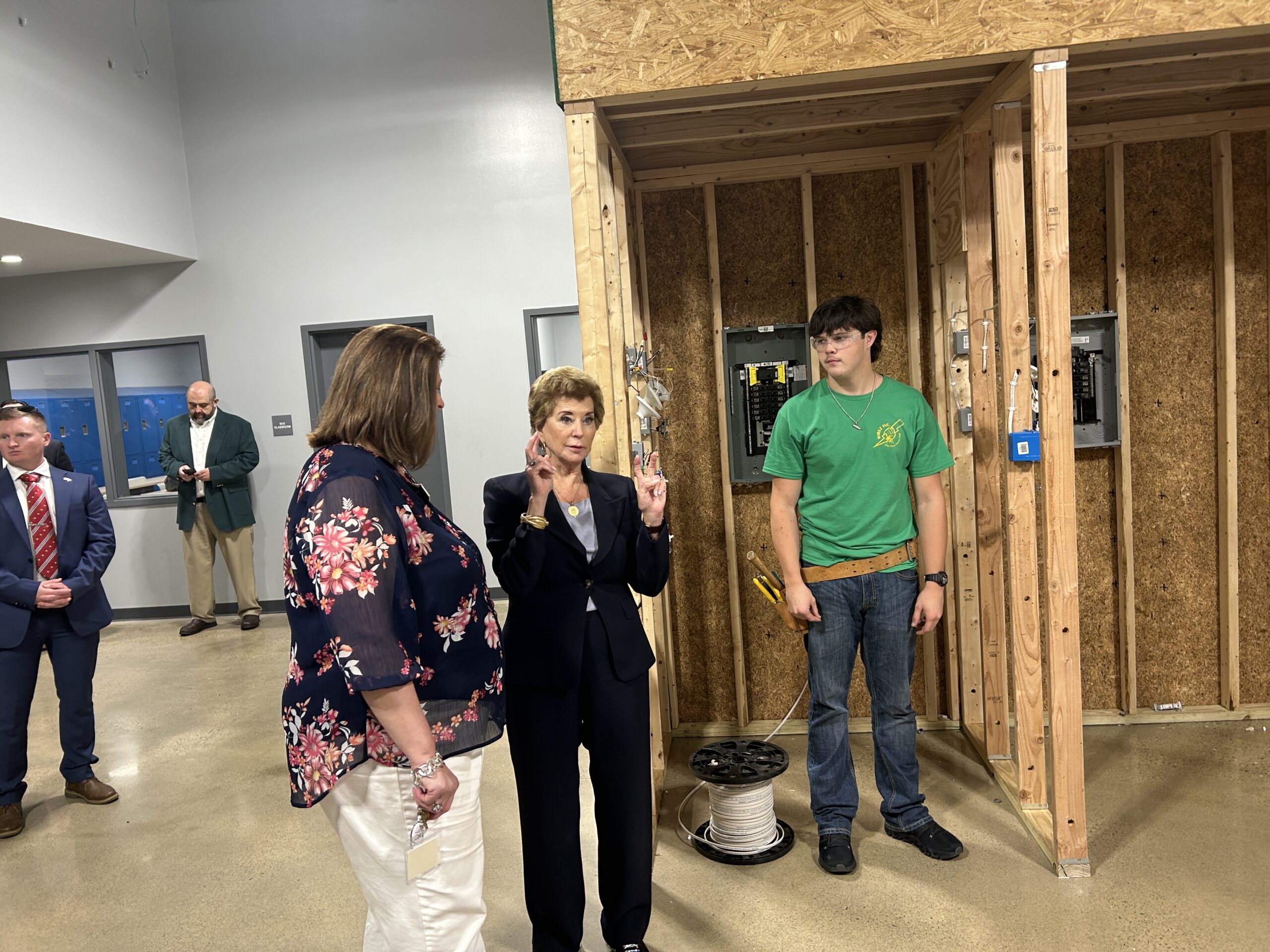
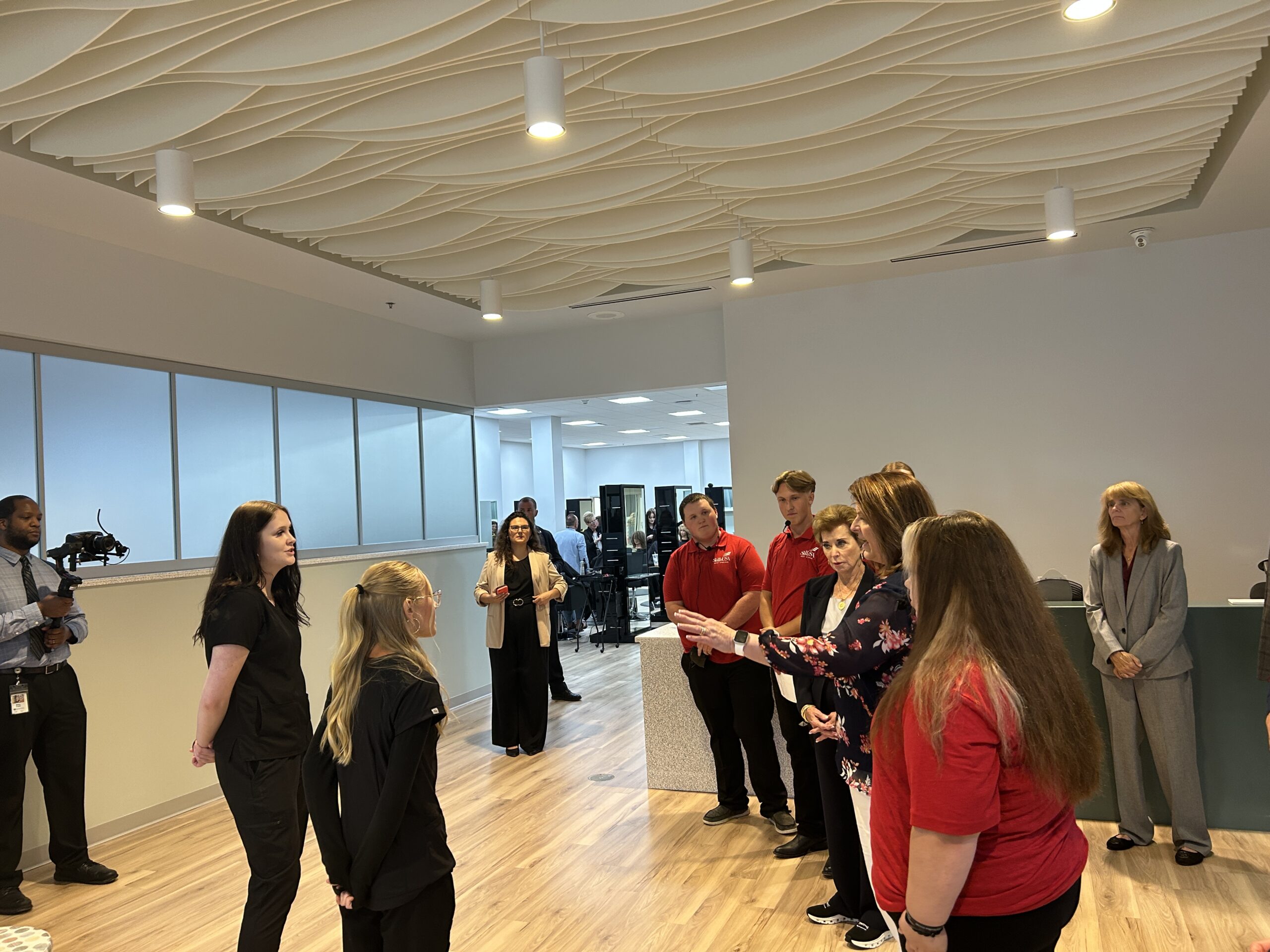
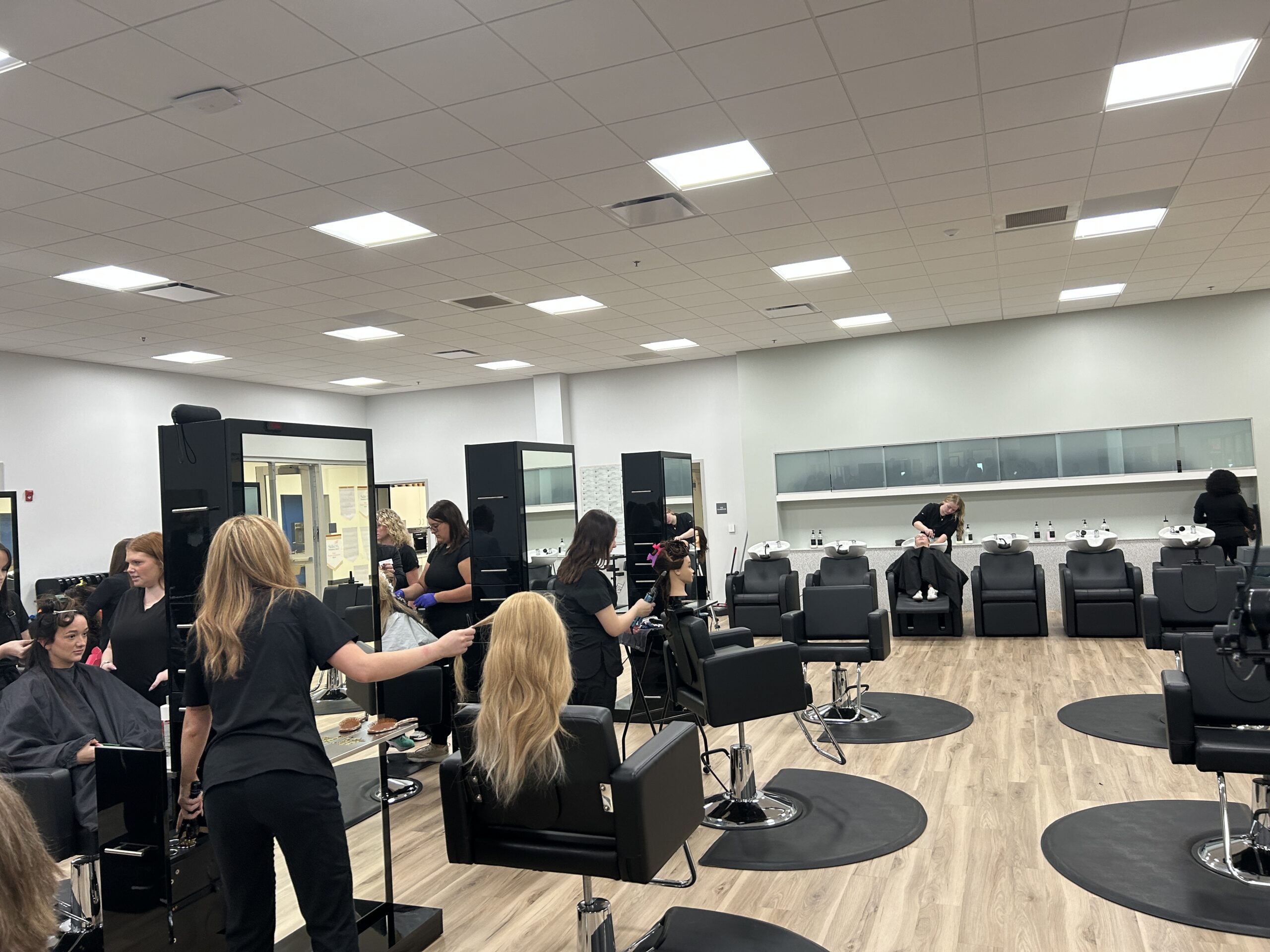
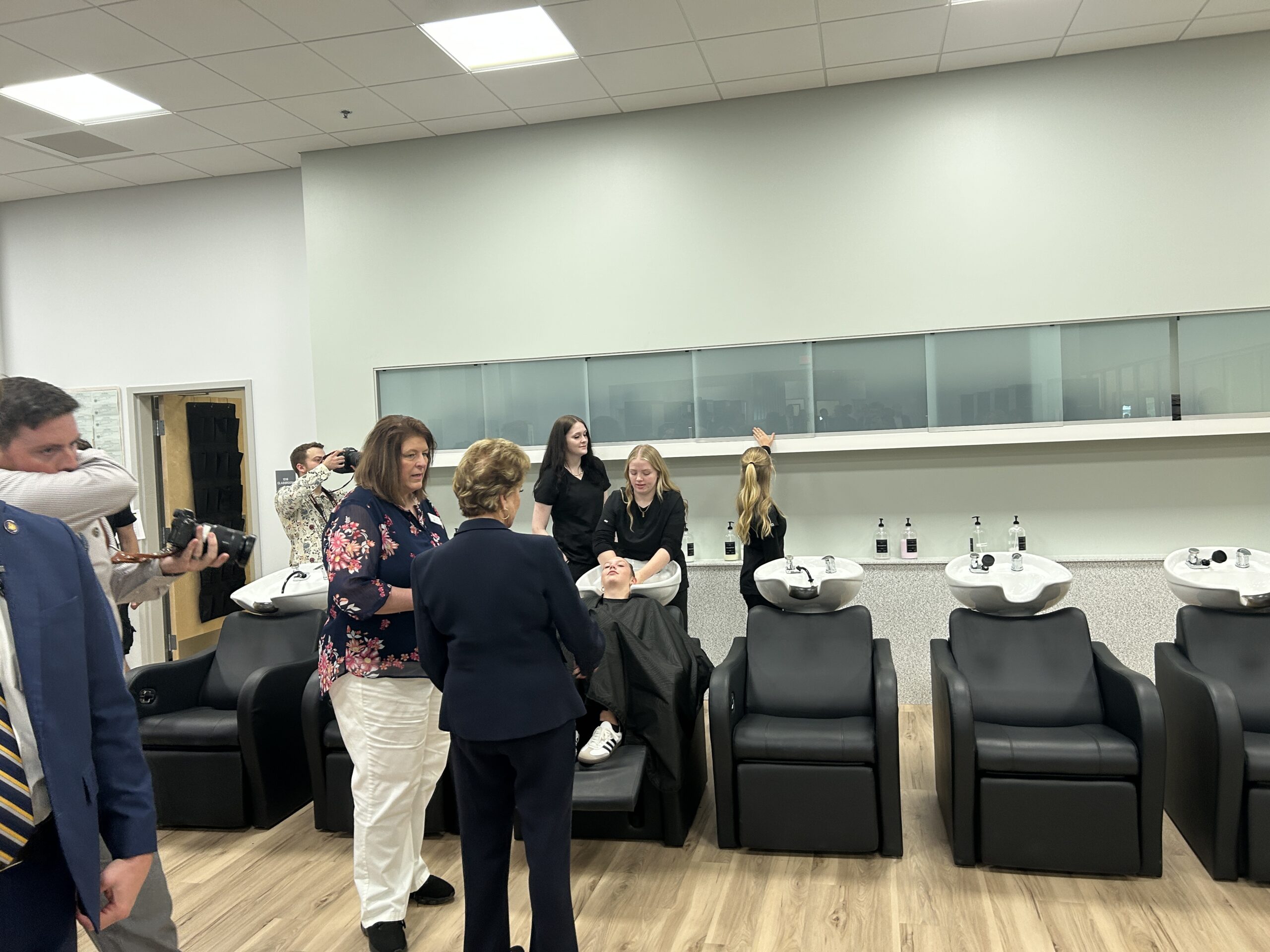
McMahon took in the sights as students from the center showed her around. There are numerous programs offered at the Woody Williams Center, such as automotive technology, carpentry, and welding. There are both high school and adult programs at the center, training for many different skilled trades.
McMahon was impressed by the facility. She asked many questions over the students as the tour progressed, inquiring about the specific programs those students took part in.
“This has been phenomenal,” she said after the tour. “This is an incredible facility. My understanding is it just opened in May. And so this is, I was just trying to think about all the different trades that I looked at today. Everything from cosmetology to car painting, to nursing assistance, just many, many aspects.”
West Virginia is one of 50 states that McMahon is visiting on her “Returning Education to the States” tour. Huntington Mayor Patrick Farrell and State Senator Jack Woodrum, R-Summers, dropped by during her Woody Williams Center tour. The hands-on nature of the education stood out to McMahon.
“(It’s) state of the art, and getting students who are here, not only getting them ready to graduate from high school, but also getting them experience in trade,” McMahon said. “They can leave here with certificates; they can get OSHA 10 safety certifications when they leave.”
An emphasis on skilled trades is spreading throughout the United States, McMahon told reports. She said that each of the programs at the center fill important needs in the current age.
“These are all incredibly important, because in our country today, we have such a need for our skilled workforce, for every five that are retiring, only two are coming in,” McMahon said. “By 2030, we could have a serious economic impact if we are not filling these skill trades. So I think we are looking at skilled trades in a way that we haven’t in a long, long time.”
McMahon sounded the alarm on where the state education has gone in the nation. She said that’s why this initiative is so important. She said that the Congress-appropriated money will continue to be appropriated, flowing through the states, but these changes will “eliminate a lot of the administrative overhead.”
“Returning education to the states is a process by which we hope to reverse the trend that we have been seeing for years,” McMahon explained. “The Department of Education was established in 1980, since then, we’ve spent $3 trillion on a failed experiment. Our scores have gone down, our students aren’t really prepared to enter the workforce, and quite often, they’re not prepared to go to college, even though many are admitted to college.”
She said that states would have the opportunity to use the funds “as they see fit.” McMahon indicated that more block grants for states could be beneficial. Already, she said, six states have gotten on board with “Return to the States” waivers through the U.S. Department of Education. She said those waivers would allow states to combine multiple revenue and economic streams of grant money, creating upwards of $100 million of savings in regulatory compliance.
McMahon said that, with all these efforts to return education policies to states, as “the goal really is to eliminate the (U.S.) Department of Education.” She suggested that some states would do better than others with the block grants, but noted that each state has the ability to institute good policies and approaches.
“The greatest innovation happens at the state level,” McMahon said.
McMahon noted that it’s important for young adults to have options with their education. She said a one-size-fits-all model doesn’t always work.
“College is just not for everyone,” McMahon said. “And sitting in a desk, reading a book is not the way that everybody learns. And I think that one of the things we have to do is really talk to students, not even waiting until they get to high school. I’m even a proponent of even middle school, early high school, (asking them), ‘What do you like to do?'”
McMahon said it’s up to the adults in children’s lives to support them with their goals. She indicated that the mindset is shifting around career and technical education, as more such facilities keep popping up in the United States.
“Parents surely see in their children that they have skills, that they have interests, and how do we help guide them, working with teachers, working with faculty?” McMahon said. “How do we develop those programs in schools? I see more and more of these kinds of schools that are being built around the country.”
Learn more about the Woody Williams Center here.